
Profiles

Alika Lafontaine
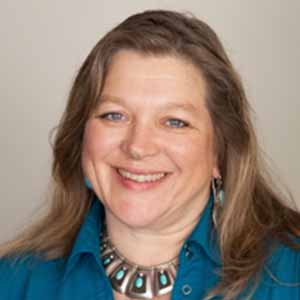
Katherine Gruspier

Christopher Milroy
Department of Laboratory Medicine & Pathobiology
Craig Chatterton

Jacqueline Parai
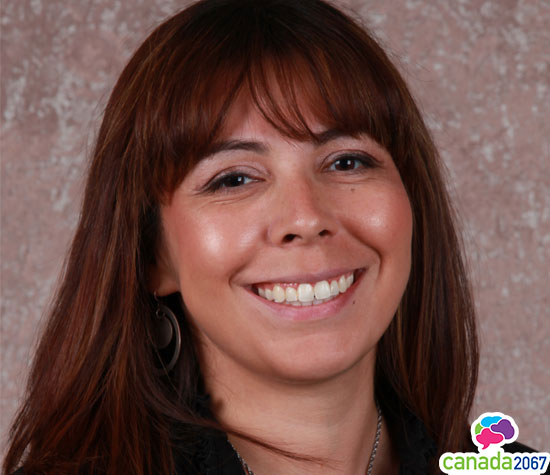
Kona Williams

Matthew Bowes
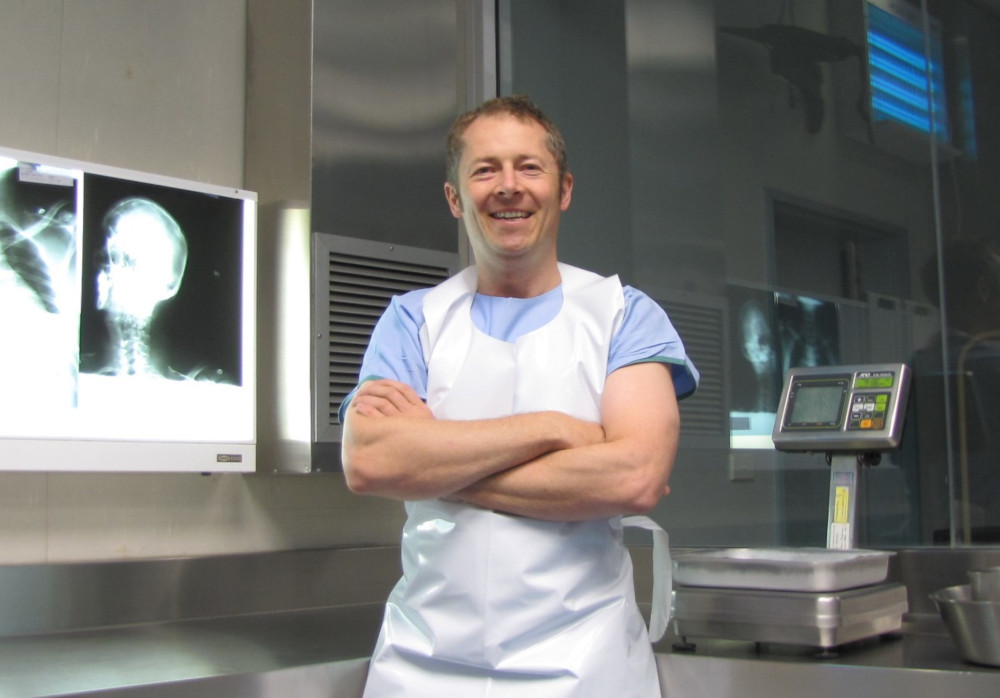
Matthew Orde
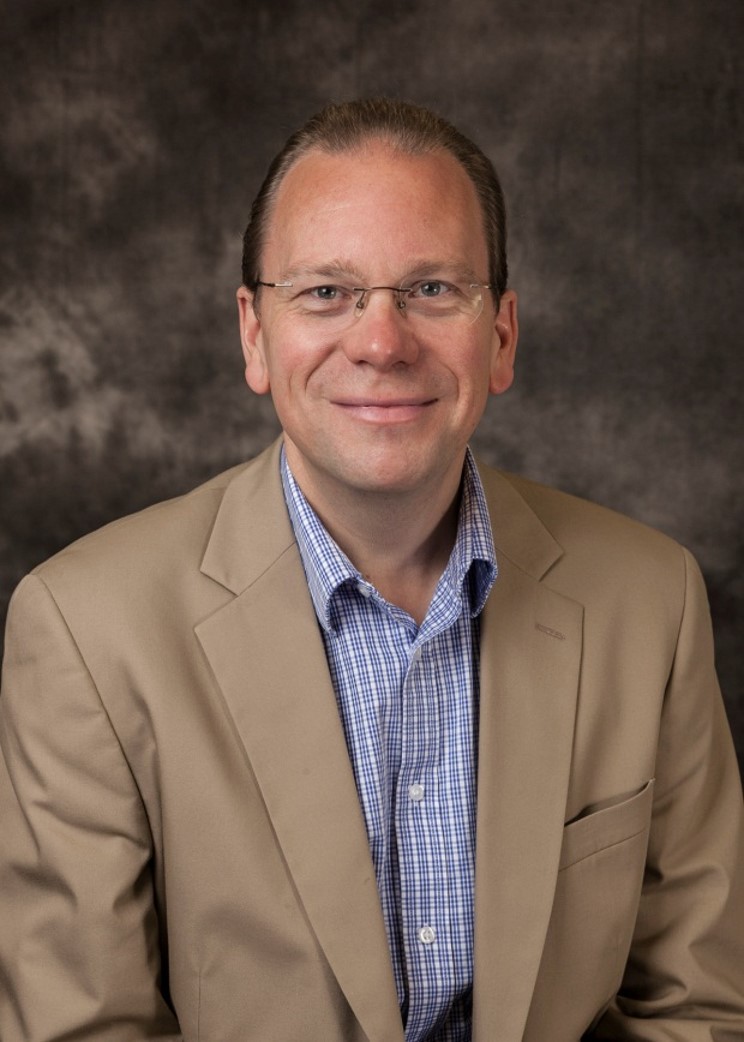
Michael Pollanen

Jessica Kent

Thambirajah Balachandra

Katie David
Regan Murray

Lindsay Ninivirta
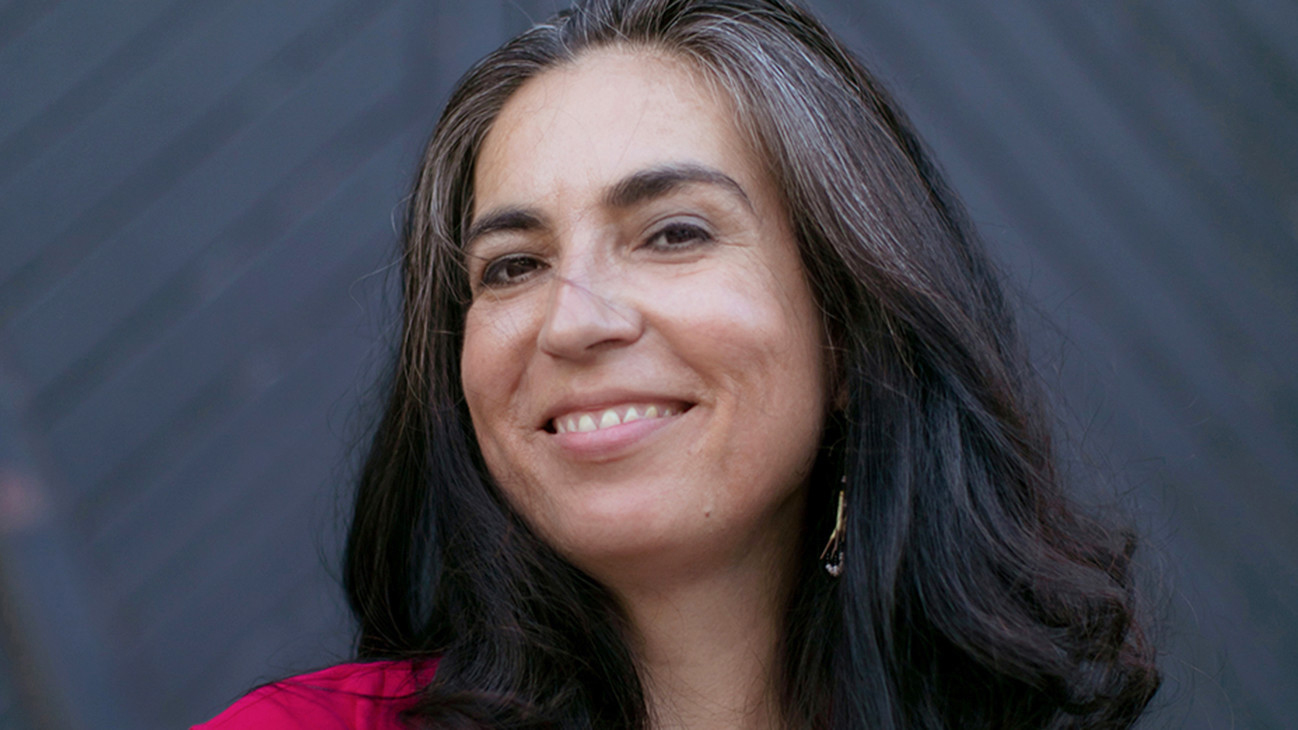
Tanya Talaga

Andrew Mazurek
Program
Jump to a specific Day | |
|---|---|
| (Day 1) | (Day 2) |
(Day 1) |
|
|---|---|
RegistrationPlease arrive before 8:00 AM to be credentialed
Foyer
Session Objectives:
| |
Breakfast & Networking | |
Welcome & IntroductionsForensic Pathology in Canada. Past, present and future Target:
CanMEDS:
| |
Forensic Pathology over my career: Sri Lanka to CanadaOpening KeynoteI have been doing autopsies and giving evidence in criminal cases since 1972, and learned many things that are not in any books of forensic pathology. These will be presented under each theme. Attendees will be able to use the knowledge to anticipate and avoid problems. Session Objectives:
| |
The growth and development of forensic pathologyin Canada and Ontario | |
Forensic pathology in CanadaFounding of the CAFM & Future of Forensic Pthology | |
Break & NetworkingCoffee breaks are sponsored by The Canadian Society of Forensic Science (CSFS) is a non-profit professional organization incorporated to maintain professional standards, and to promote the study and enhance the stature of forensic science. Membership in the society is open internationally to professionals with an active interest in the forensic sciences. It is organized into sections representing diverse areas of forensic examination: Anthropology, Medical, Odontology, Biology, Chemistry, Documents, Engineering, Firearms and Toxicology. The CSFS and its members wish the CAFM a fruitful inaugural conference. We look forward to future collaboration as our organizations continue to advocate for forensic experts in their fields and foster a community of professionals. La Société canadienne des sciences judiciaires (SCSJ) est une organisation professionnelle sans but lucratif constituée dans le but de maintenir des normes professionnelles, de promouvoir l’étude et accroître la visibilité des sciences judiciaires. L’adhésion à la Société est ouverte au niveau international pour les professionnels ayant un intérêt actif dans les sciences judiciaires. Elle est organisée en sections représentant divers domaines des sciences judiciaires: Anthropologie, Médecine légale, Odontologie, Biologie, Chimie, Documents, Génie, Balistique et Toxicologie. La SCSJ et ses membres souhaitent à la ACML une conférence inaugurale fructueuse. Nous nous réjouissons de notre future collaboration, car nos organisations continuent à défendre les experts en sciences judiciaires dans leurs domaines respectifs et à favoriser la création d’une communauté de professionnels. | |
Update on the CMA's Apology to Indigenous PeoplesThis keynote will update participants on the recently presented apology to Indigenous Peoples by the Canadian Medical Association, speaking in behalf of the profession. Session Objectives:
Target:
CanMEDS:
| |
Forensic Pathology in the Arctic | |
Lunch & NetworkingExhibitor and Symposium is sponsored by Access your own copy of the paper, Evaluation of Real Time Fatal Drug Overdose, by clicking below: | |
Investigating Indigenous DeathsLooking beyond the PathologyThis presentation will review the historical trauma experienced by Indigenous people in Canada (Indian Act, Residential School System), and the impacts felt today. Recent cases of the deaths of Indigenous people will be presented, in the context of Missing and Murdered Indigenous Women and Girls, and the Residential School burial sites. Throughout the presentation will be information about how to approach these deaths and communicate with family and communities. Session Objectives:
CanMEDS:
| |
Murdered and Missing Indigenous Women and Girls in CanadaTarget:
CanMEDS:
| |
Canada's residential school investigations | |
Break & NetworkingCoffee breaks are sponsored by The Canadian Society of Forensic Science (CSFS) is a non-profit professional organization incorporated to maintain professional standards, and to promote the study and enhance the stature of forensic science. Membership in the society is open internationally to professionals with an active interest in the forensic sciences. It is organized into sections representing diverse areas of forensic examination: Anthropology, Medical, Odontology, Biology, Chemistry, Documents, Engineering, Firearms and Toxicology. The CSFS and its members wish the CAFM a fruitful inaugural conference. We look forward to future collaboration as our organizations continue to advocate for forensic experts in their fields and foster a community of professionals. La Société canadienne des sciences judiciaires (SCSJ) est une organisation professionnelle sans but lucratif constituée dans le but de maintenir des normes professionnelles, de promouvoir l’étude et accroître la visibilité des sciences judiciaires. L’adhésion à la Société est ouverte au niveau international pour les professionnels ayant un intérêt actif dans les sciences judiciaires. Elle est organisée en sections représentant divers domaines des sciences judiciaires: Anthropologie, Médecine légale, Odontologie, Biologie, Chimie, Documents, Génie, Balistique et Toxicologie. La SCSJ et ses membres souhaitent à la ACML une conférence inaugurale fructueuse. Nous nous réjouissons de notre future collaboration, car nos organisations continuent à défendre les experts en sciences judiciaires dans leurs domaines respectifs et à favoriser la création d’une communauté de professionnels. | |
The Role of Medicolegal Death Investigations and Indigenous PeoplePanel DiscussionChaired by C. Milroy | |
Welcome Reception
All delegates
| |


(Day 2) |
|
|---|---|
RegistrationPlease arrive before 8:00 AM to be credentialed | |
Light breakfast | |
Welcome | |
Epidemiology and Public Health of the drug crisis in CanadaWhat Forensic Pathology can teach usThis session will provide an overview of the value of collaboration between the death investigation system and public health, describe harms due to unregulated toxic drug crisis in Canada and drug trends over time, and share initiatives underway to improve access to timely and comparable drug investigation data in Canada to inform prevention activities. It will also provide an overview of the value of collaboration between the death investigation system and public health, describe harms due to unregulated toxic drug crisis in Canada and drug trends over time, and share initiatives underway to improve access to timely and comparable drug investigation data in Canada to inform prevention activities. Session Objectives:
Target:
| |
Break & NetworkingCoffee breaks are sponsored by The Canadian Society of Forensic Science (CSFS) is a non-profit professional organization incorporated to maintain professional standards, and to promote the study and enhance the stature of forensic science. Membership in the society is open internationally to professionals with an active interest in the forensic sciences. It is organized into sections representing diverse areas of forensic examination: Anthropology, Medical, Odontology, Biology, Chemistry, Documents, Engineering, Firearms and Toxicology. The CSFS and its members wish the CAFM a fruitful inaugural conference. We look forward to future collaboration as our organizations continue to advocate for forensic experts in their fields and foster a community of professionals. La Société canadienne des sciences judiciaires (SCSJ) est une organisation professionnelle sans but lucratif constituée dans le but de maintenir des normes professionnelles, de promouvoir l’étude et accroître la visibilité des sciences judiciaires. L’adhésion à la Société est ouverte au niveau international pour les professionnels ayant un intérêt actif dans les sciences judiciaires. Elle est organisée en sections représentant divers domaines des sciences judiciaires: Anthropologie, Médecine légale, Odontologie, Biologie, Chimie, Documents, Génie, Balistique et Toxicologie. La SCSJ et ses membres souhaitent à la ACML une conférence inaugurale fructueuse. Nous nous réjouissons de notre future collaboration, car nos organisations continuent à défendre les experts en sciences judiciaires dans leurs domaines respectifs et à favoriser la création d’une communauté de professionnels. | |
Pathology and the Role of the AutopsyAn exploration of the role of the autopsy in suspected acute drug toxicity deaths, with reference to published data. Case management options which are supported by the available evidence base will be highlighted, but this presentation is intended as a thought-provoking prelude to further discussions between Canadian practitioners, with a view to achieving consensus opinion on best practice. | |
Lunch & NetworkingExhibitor and Symposium is sponsored by Access your own copy of the paper, Evaluation of Real Time Fatal Drug Overdose, by clicking below: | |
Toxicology of Standard Opioids | |
Clinical Aspects of the Drug CrisisSession Objectives:
| |
Break & NetworkingCoffee breaks are sponsored by The Canadian Society of Forensic Science (CSFS) is a non-profit professional organization incorporated to maintain professional standards, and to promote the study and enhance the stature of forensic science. Membership in the society is open internationally to professionals with an active interest in the forensic sciences. It is organized into sections representing diverse areas of forensic examination: Anthropology, Medical, Odontology, Biology, Chemistry, Documents, Engineering, Firearms and Toxicology. The CSFS and its members wish the CAFM a fruitful inaugural conference. We look forward to future collaboration as our organizations continue to advocate for forensic experts in their fields and foster a community of professionals. La Société canadienne des sciences judiciaires (SCSJ) est une organisation professionnelle sans but lucratif constituée dans le but de maintenir des normes professionnelles, de promouvoir l’étude et accroître la visibilité des sciences judiciaires. L’adhésion à la Société est ouverte au niveau international pour les professionnels ayant un intérêt actif dans les sciences judiciaires. Elle est organisée en sections représentant divers domaines des sciences judiciaires: Anthropologie, Médecine légale, Odontologie, Biologie, Chimie, Documents, Génie, Balistique et Toxicologie. La SCSJ et ses membres souhaitent à la ACML une conférence inaugurale fructueuse. Nous nous réjouissons de notre future collaboration, car nos organisations continuent à défendre les experts en sciences judiciaires dans leurs domaines respectifs et à favoriser la création d’une communauté de professionnels. | |
Neonatal skull fractures caused by vacuum-assisted delivery – a case reportPodium PresentationsIntroduction:Vacuum extraction is a frequently employed obstetric intervention designed to assist in the delivery of the fetus during labor. Although generally effective, it carries potential risks. This autopsy case study presents a rare instance where skull fractures resulted from vacuum extraction, providing valuable insights into this serious complication. Clinical Presentation:A full-term neonate was delivered via induced vaginal delivery with a prolonged vacuum extraction. Post delivery, there was increased work of breathing requiring intensive care. Computed tomography scan showed subarachnoid and subdural hemorrhage but, skull fractures were not identified. The neonate showed limited activity, and invasive ventilation measures were discontinued. An autopsy was performed to elucidate the cause of death. Results:Autopsy revealed multiple linear skull fractures involving the left parietal and occipital bones. Additional findings included an overlying patterned discoid distribution of abrasions and bruises on the vertex of the head with underlying extensive scalp hemorrhages, patchy diffuse subarachnoid and subdural hemorrhage. No congenital anomalies of other contributing factors were identified. Based on the case history and postmortem examination, death was attributed to complications of vacuumassisted vaginal delivery. Conclusion:Thorough post-mortem investigation is essential for assessing the contribution of delivery techniques to neonatal deaths. It is important that clinicians and forensic pathologists are aware of the neonatal risks and complications associated with vacuum assisted deliveries, and not mistake birth related trauma with criminally suspicious trauma. This case highlights the potential serious complications associated with vacuum extraction and the need for improved delivery practices. Poster Awards are sponsored by The Taylor & Francis Group has generously provided 2 gift certificates for our poster awardees, for any book title and all orders on ccrcpress.com! Learn more by clicking below: Session Objectives:
CanMEDS:
| |
Fatal Hemoptysis Due to Post-Transplant Diffuse Large B-Cell Lymphoma: A Case ReportPodium PresentationsPoster Awards are sponsored by The Taylor & Francis Group has generously provided 2 gift certificates for our poster awardees, for any book title and all orders on ccrcpress.com! Learn more by clicking below: | |
Open Question & Answer session | |
Real-Time Fatal Drug Overdose Surveillanceunaccredited session | |
Wrap up – Evaluation Reminders & Departure | |
Tour of the FSCC3 Groups of 20 People | |
