

The Canadian Association of Forensic Medicine (CAFM) is a Canadian Not for Profit Corporation with Canadian and international membership. The CAFM will promote the medical discipline of forensic pathology in Canada and deliver an annual conference for education and research in forensic pathology and related disciplines including medicolegal death investigation, forensic anthropology, forensic toxicology, and allied fields.
October 1st is the last day to register.

Thank you to our Sponsors
Bronze Sponsor: Join Jenna McCartney and Lee Kirk at their Stand.

LEEC
Established in 1953, LEEC Limited is an independent and privately owned Nottingham based manufacturing company offering a wide range of first-class products and equipment across 8 specialist sectors including laboratory, funeral and mortuary equipment.
With 70 years of experience and a true commitment to customer service, reliability and high-quality products we pride ourselves on our ability to deliver a range of equipment that meets the specific needs of our customers with continuous development and a commitment to listening to our customers’ ever-changing requirements.
LEEC Limited has a long history of top quality installations through the UK and internationally… (content shortened for display)
Bronze Sponsor: Maria Mustapha and Jennifer Anderson at their Stand.

Randox
You may recognise Randox as the principal sponsor of the world’s most famous steeplechase, the Randox Grand National or as the Team GB Official Diagnostic Health partners ahead of the upcoming Olympics, but for forty years Randox have been focusing on the provision of timely and accurate diagnostic testing and promotion of preventative healthcare.
Randox’s proprietary Biochip Technology allows many tests to be run simultaneously, which greatly improves the diagnostic power available to clinicians… (content shortened for display)
Conference Objectives:
- Describe how new & emerging technologies can be applied to Forensic Medicine.
- Analyze how the Portapique, Nova Scotia mass fatality incident will change policy in Canada.
- Discuss evolving best practices in forensic toxicology.
| Day 1 | Day 2 |
|---|---|
| Mass Fatalities & Emerging Technologies | Toxicology & Biochemistry |
|
|
Evaluations & Hoodie Order
CAFM Membership
Membership Benefits:
- CONTRIBUTE to a forum where forensic pathologists can MEET ONE ANOTHER, exchange ideas, DISCUSS practices, and CONSIDER new approaches to difficult and emerging problems.
- ATTEND annual meetings where we can receive continuing education that is relevant to our PRACTICE AND OUR GEOGRAOHIC LOCATION/JURISDICTION.
- Help FOSTER AND PROMOTE excellence in DEATH INVESTIGATION in Canada by THE DEVELOPMENT OF BEST PRACTICE GUIDELINES, and by hosting educational programs for allied professionals.
- ADVOCATE FOR OPTIMUM WORK ENVIRONMENTS by collecting and sharing information about working conditions and creating workload and other standards that are relevant to our practice.
- Be part of the VOICE for all Canadian forensic pathologists, on the provincial, national, and international stage.
- Receive DISCOUNTED RATES to attend CAFM events
Membership Types
- Member (Voting):
- A licensed medical doctor with recognized postgraduate training in Forensic Pathology.
- Physician Affiliate (Non-Voting):
- A licensed medical doctor.
- Non-Physician Affiliate (Non-Voting):
- A professional working in a medico-legal death investigation system, holding a graduate degree in a forensic field, or working in forensic medicine/medico-legal work.
- Trainee (Non-Voting):
- A student enrolled in medical studies, postgraduate medical training, or relevant postgraduate studies at a recognized university.
Call for Abstracts
Submit Your Abstracts
Deadline: August 15
OPEN TO: Pathologists, Residents, Pathologists’ Assistants, Investigators & Coroners are encouraged to submit abstracts.
AWARD: There will be an award for the best poster.
Please note, should your abstract be accepted, registration is required to participate.
Registration Rates
Each registration includes access to all sessions and welcome reception.
| Membership Type | Membership Fee | Registration Rate | Earlybird Bundle & Save |
|---|---|---|---|
| Member | |||
| Regular | 300.00 | 450.00 | |
| Affiliate (Physician) | 300.00 | 450.00 | |
| Affiliate (Non-Physician) | 100.00 | 200.00 | 300.00 |
| Trainee | 0.00 | 200.00 | 200.00 |
| Non-Member | |||
| Regular | 800.00 | — | |
| Affiliate (Physician) | 800.00 | — | |
| Affiliate (Non-Physician) | 600.00 | — | |
| Trainee | 200.00 | — | |
| All fees subject to Ontario Sales Tax: HST Registration: #1313 72286 RT0001 | |||
TERMS AND CONDITIONS:
- The deadline to register is and is strictly enforced for your security.
- An Air Canada Travel Discount Code is included with your registration.
- There is No single day attendee registration for this 2 day event.
- There will be No On-Site Registration. For security reasons, no registrations will be accepted after the cut-off date of . No exceptions.
- Any costs related to travel, accommodation, transportation and conference registration will be the attendee’s own responsibility.
- Cancellation of registration must be received in writing by .
- No refunds will be issued after . However, substitutions can be made for a colleague to take your place.
- A processing fee of $100 will be charged on all refunds.
Other Information
This event is an Accredited Group Learning Activity (Section 1) as defined by the Maintenance of Certification Program of the Royal College of Physicians and Surgeons of Canada and approved by the Canadian Association of Pathologists. (credits are automatically calculated).
Through an agreement between the Royal College of Physicians and Surgeons of Canada and the American Medical Association, physicians may convert Royal College MOC credits to AMA PRA Category 1 Credits. Information on the process to convert Royal College MOC credit to AMA credit can be found at ama-assn.org/go/internationalcme.
Visa Applications
This event has NOT been registered with Immigration, Refugees and Citizenship Canada.
We encourage you to start organizing your travels as soon as possible as there may be delays in obtaining your travel documents for entry into Canada. Please note that costs related to travel, accommodation, transportation and conference registration will be your own responsibility.
Letter of Invitation
To receive a Letter of Invitation, you must:
After filing a request, those who meet either of the above criteria will receive the invitation letter by e-mail (in PDF format).
Note: Letters cannot be mailed-in; hard-copies are not available.
Note: Depending on where you live, you will need to meet certain entry requirements to visit Canada.
- To find out if you need a travel visa and/or an Electronic Travel Authorization (eTA), see the Immigration and Citizenship Visitor page and answer a few simple questions. To learn about the visa application process, visit the How to Apply page.
- You may also need to give your biometrics. If so, then this is a MANDATORY requirement, and you must appear in person at a Visa Application Centre in order to provide your fingerprints and photograph. Find the Visa Application Centre closest to you here.
Profiles

Dr. Christopher Milroy
Department of Laboratory Medicine & PathobiologyDr. Craig Chatterton
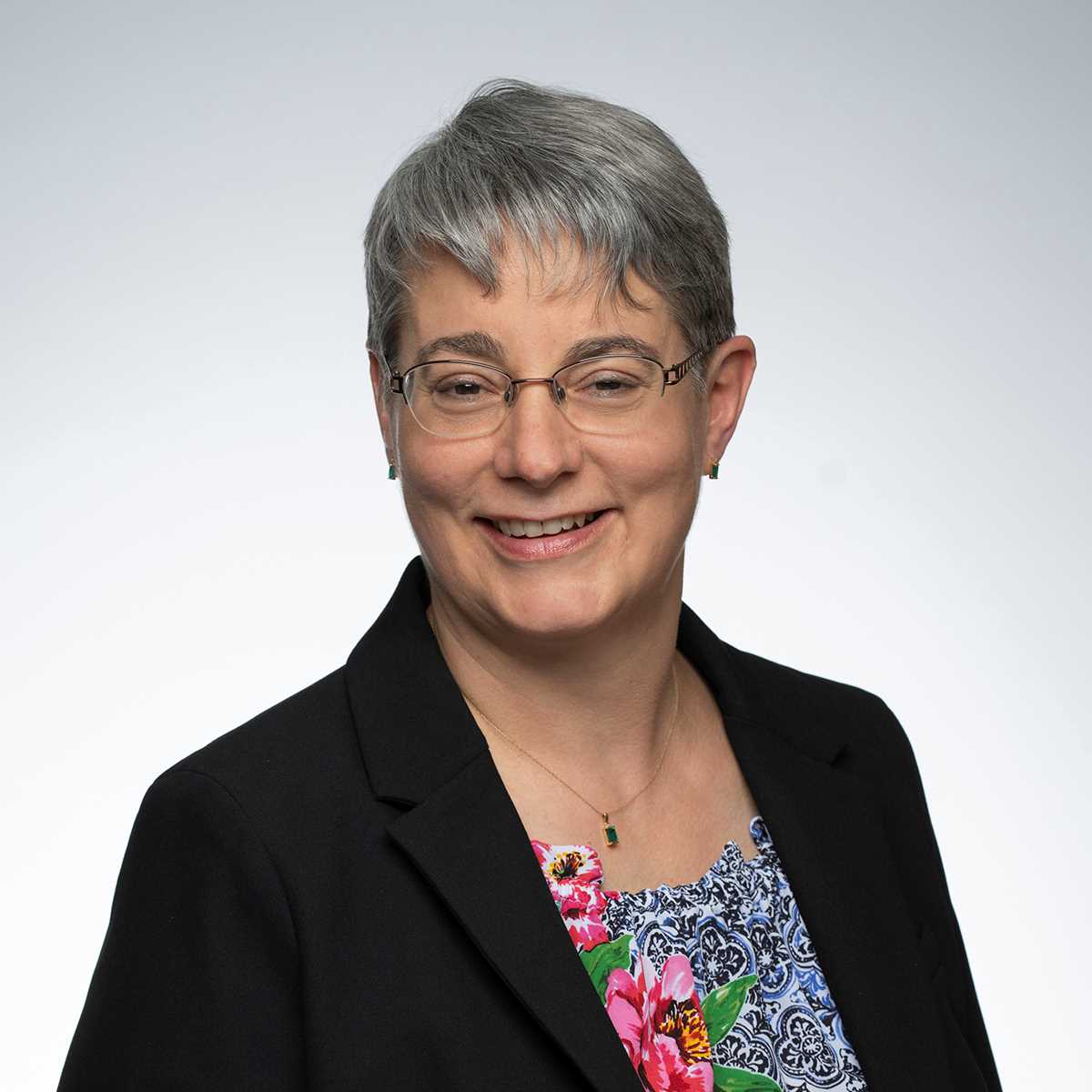
Dr. Jacqueline Parai
Dr. Kona Williams
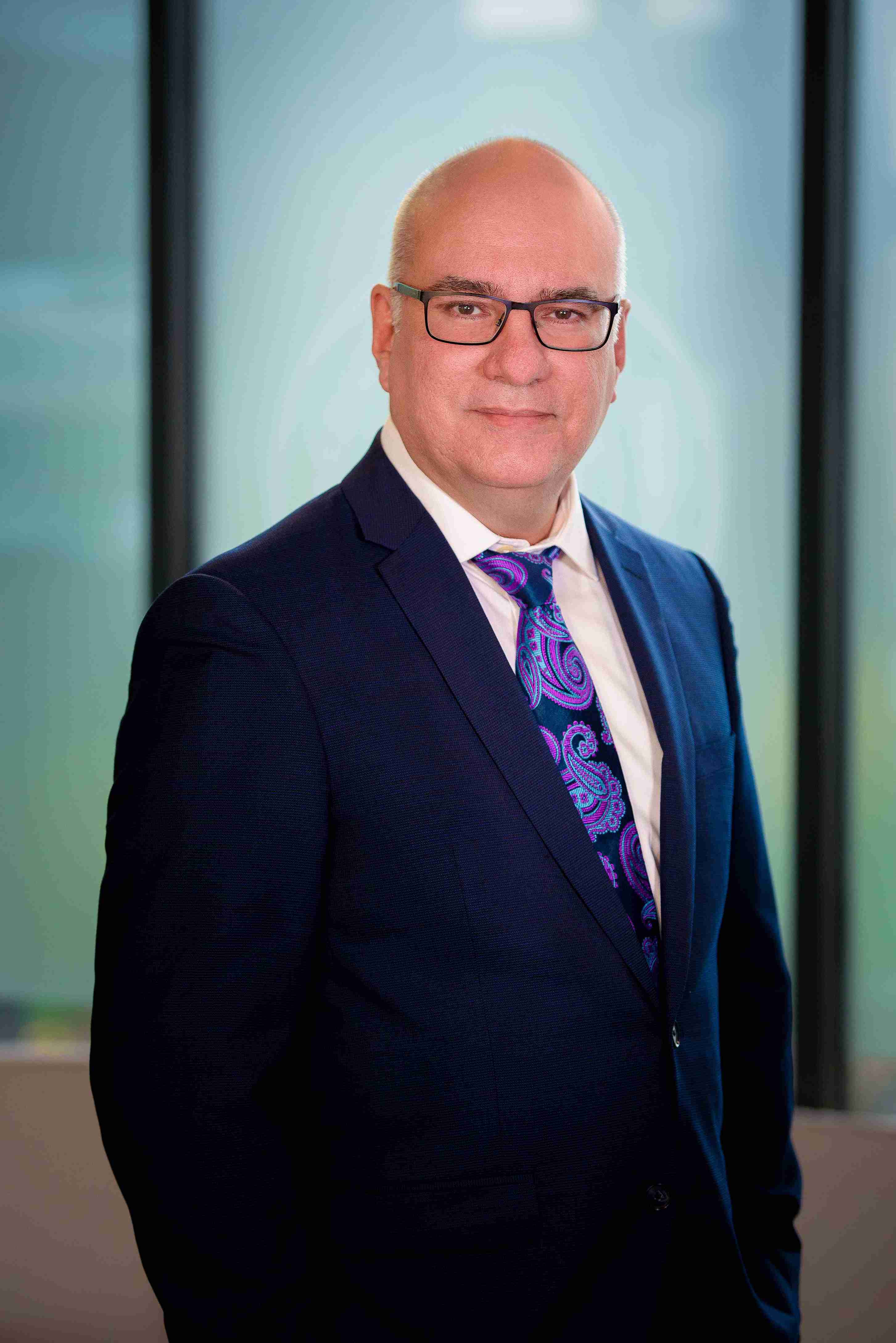
Dr. Matthew Bowes
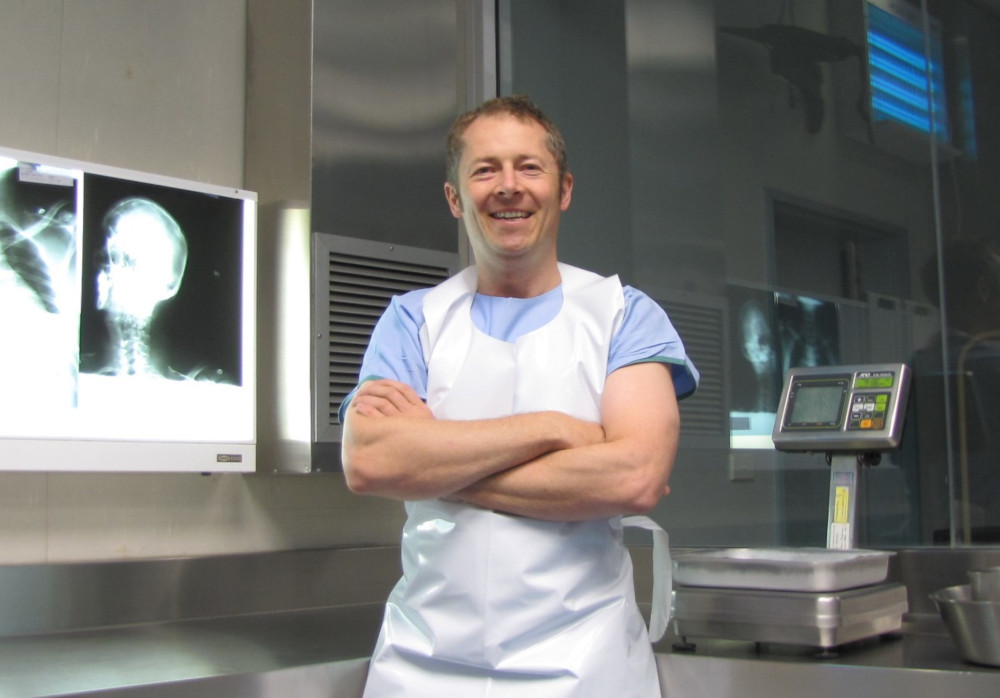
Dr. Matthew Orde
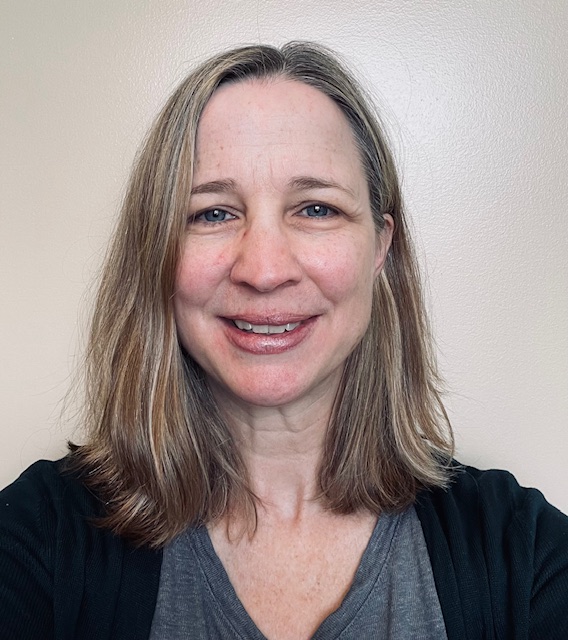
Dr. Nancy Murphy
Terri Lipton
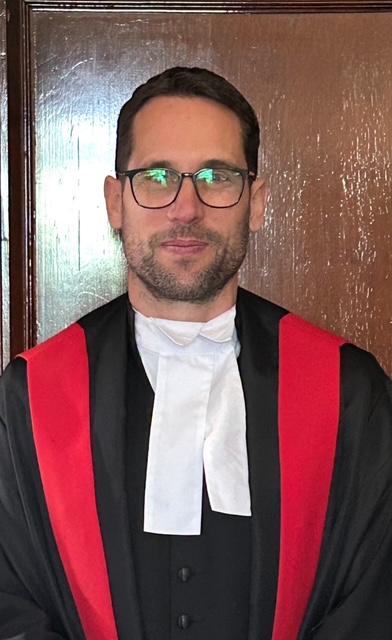
The Honourable Judge Mark Heerema

Len McKay
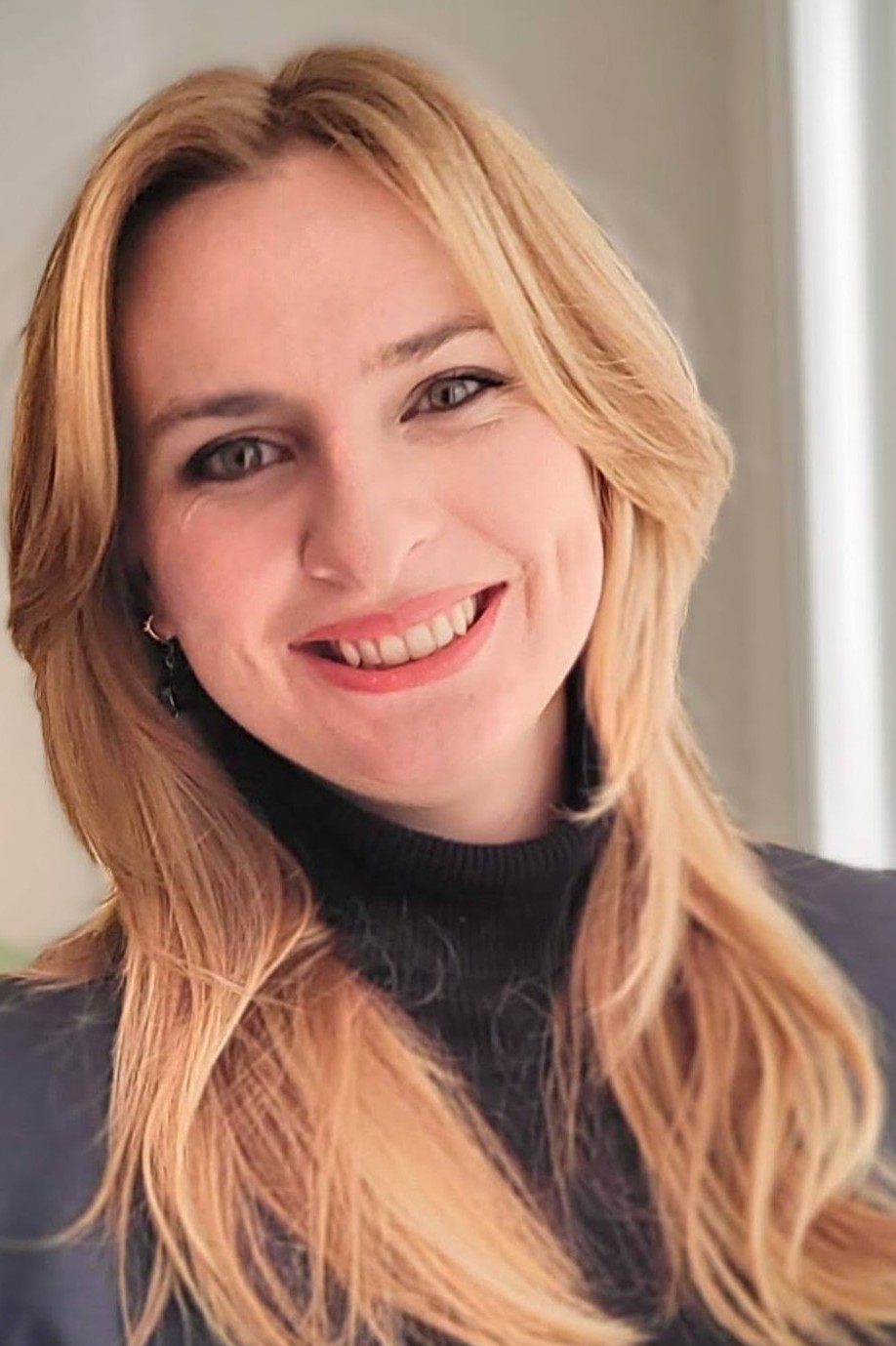
Ciara Perez
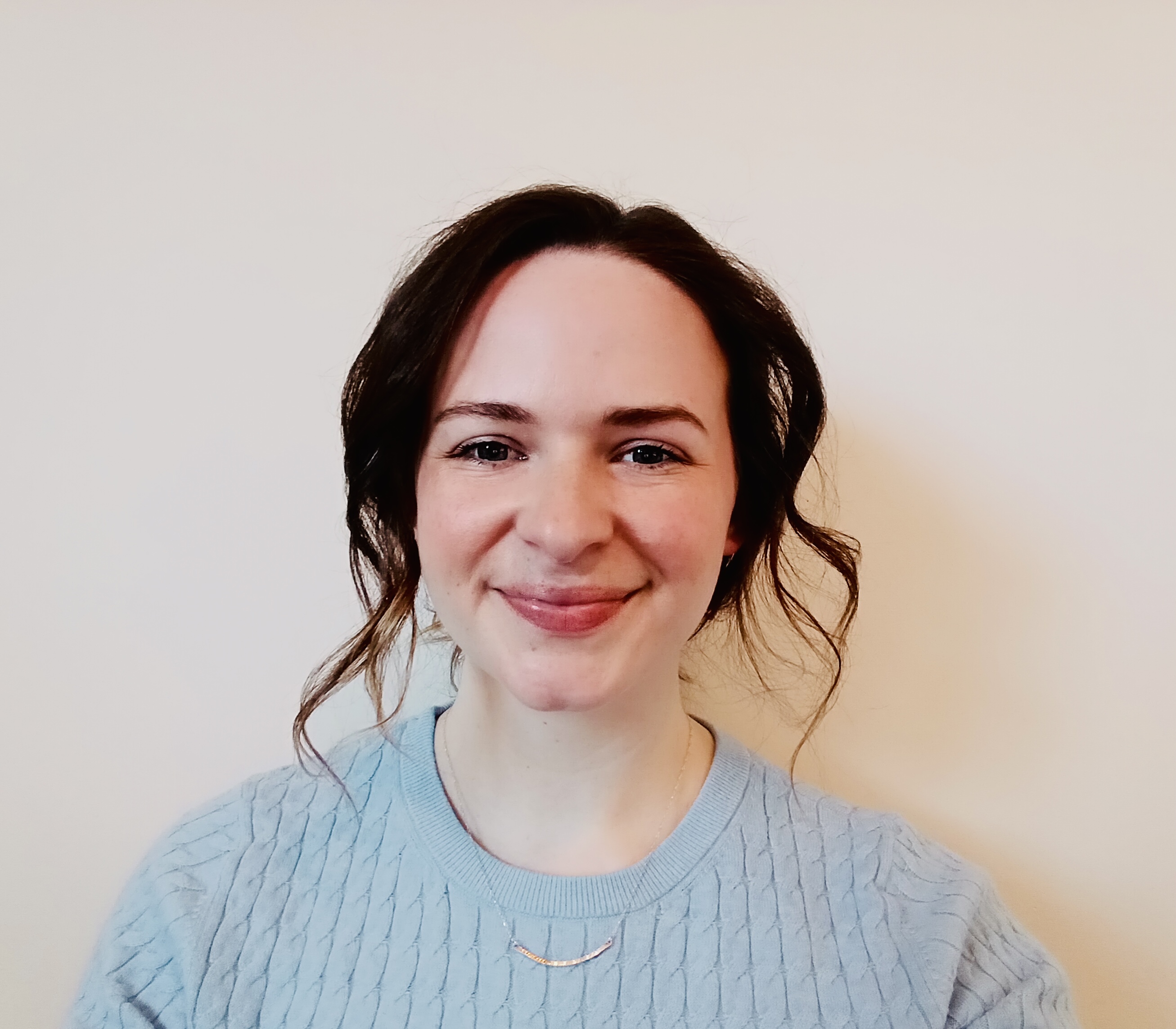
Allison Maybank
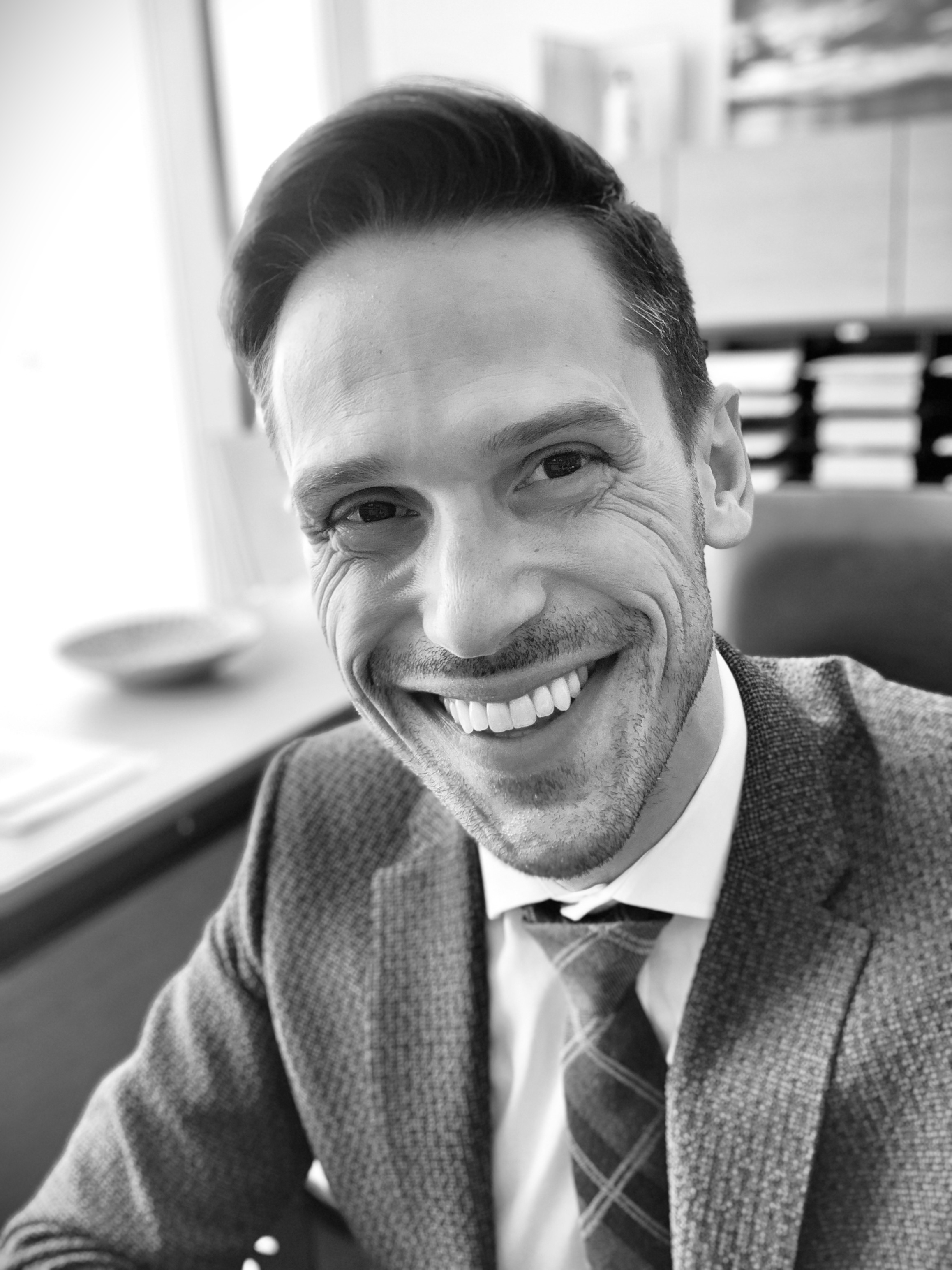
Dr. Andrew Williams
The Honourable Rebecca Druhan
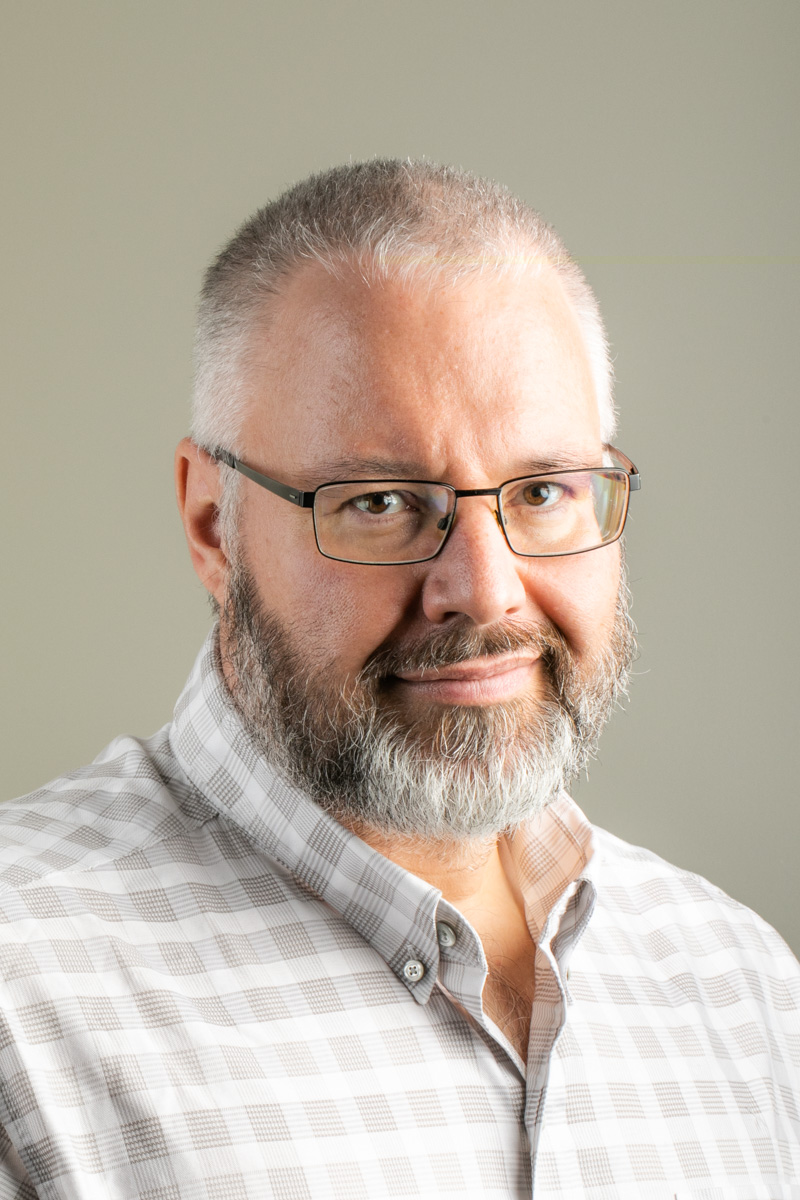
Dr. Kris Cunningham
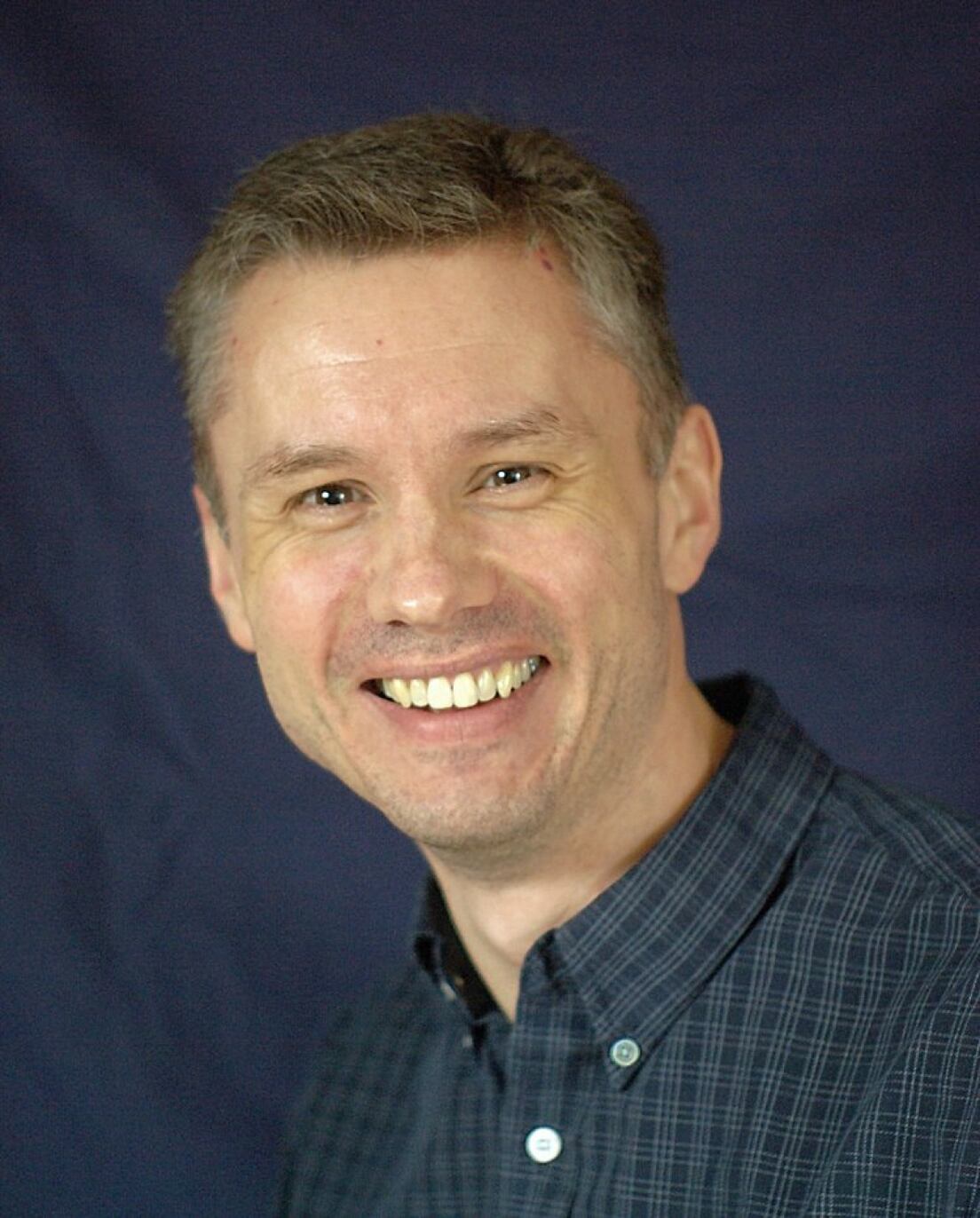
Dr. Robert Thacker
Emily Schleihauf
Dr. Dirk Huyer
COI:
Ontario Public Service – EmployeeProgram
Jump to a specific Day | ||
|---|---|---|
| (Day 1) | (Day 2) | (Day 3) |
(Day 1) |
|
|---|---|
Board Working DinnerBoard OnlyBy Invitation | |
(Day 2) |
|
|---|---|
Registration & NetworkingCoffee on Arrival
Foyer
| |
Land Acknowledgment
Raymond Sewell
| |
Opening remarks
The Honourable Rebecca DruhanDr. Chris MilroyDr. Sam Veres
| |
AI Under Examination: From Hype to EvidenceKeynoteArtificial intelligence has been oversold more often than it has delivered: Media narratives are driven by ear-tingling hyperbole. Predictions of vanishing careers, such as radiology, have not come true, while Large Language Models (LLMs) swing between apparent genuine insight and hallucination. Meanwhile, quieter advances in machine learning are reshaping fields such as weather forecasting, showing that real progress is substantive. For forensic medicine, the challenge is sharper: evidence must be explainable, reproducible, and defensible, qualities that many (not all) AI tools still lack. This talk will cut through the hype, examine the significant ethical and technical pressures AI brings, and highlight where meaningful breakthroughs are emerging. Session Objectives:
Target:
CanMEDS:
| |
Break & NetworkingCoffee and Snack | |
Public Policy After PortapiquePlenaryIn this presentation Dr. Bowes will describe the Portapique mass casualty event, the Mass Casualty Commission, its recommendations, and propose how these recommendations will influence the practice of forensic medicine in Canada. Session Objectives:
Target:
| |
Lunch & NetworkingBuffet Lunch | |
Diagnostic Imaging in a Forensic ContextPlenaryReflecting on the current state of advanced postmortem imaging in Canada and worldwide, we will explore the adaptation of FP practice to incorporate these technologies and look forward to a visionary future where accelerations in computational power and innovations in postmortem imaging enable the impossible Session Objectives:
Target:
CanMEDS:
| |
Using Genetics To Investigate Sudden Cardiac DeathPlenary
Dr. Kristopher Cunningham
Outlining proper cardiac dissection and use of genetic analysis to identify heritable cardiovascular disease Session Objectives:
Target:
CanMEDS:
| |
Break & NetworkingCoffee and Snack | |
Biochemistry and the AutopsyPlenaryThis session will review common scenarios where vitreous fluid analyses are used in medicolegal postmortem examinations. The session will concentrate on autopsy findings in deaths due to ketoacidosis. The presentation will also include pathological and biochemical differences in deaths due to diabetic ketoacidosis versus alcoholic ketoacidosis. Session Objectives:
Target:
CanMEDS:
| |
ReceptionOnsite | |
(Day 3) |
|
|---|---|
Registration and NetworkingCoffee on arrival | |
Welcome | |
The Next Wave: Canada’s Drug CrisisPanel
Dr. Craig ChattertonDr. Matt Orde Dr. Nancy Murphy Emily Schleihauf
Poison centre data is critical in identifying new trends in poisonings, and captures a very different demographic than medical examiner data. This presentation will review current North American trends in poisonings, and describe an ongoing collaboration in toxicosurveilllance between Canadian Poison Centres and Health Canada. The presentation will describe trends in drug toxicity mortality in Canada, highlighting the critical role of information obtained through death investigation in understanding this issue. Session Objectives:
Target:
CanMEDS:
| |
Break & NetworkingBreak | |
Expert testimonyPanelThis presentation will assist expert witnesses with understanding the legal framework of expert testimony in Canada. In particular, the witness will learn how Canadian courts define and test bias and impartiality. It will further assist with strategies to enhance clarity, credibility and confidence. This presentation is aimed at guiding forensic medical professionals on how to effectively testify as expert witnesses in criminal court. It focuses on impartiality, independence and clarity. Practical strategies for voir dire, direct and cross-examination, and communication with juries are included. The session encourages peer discussion on challenges, ethics, and best practices in forensic testimony. Session Objectives:
Target:
CanMEDS:
| |
Lunch & NetworkingBuffet Lunch | |
Cannabinoid Hyperemesis Syndrome: A Case StudyResident Paper
Mathew Carlton
This presentation will describe the features of cannabinoid hyperemesis syndrome and present a case report of cannabinoid hyperemesis syndrome as a cause of death Session Objectives:
Target:
CanMEDS:
| |
Digital Alternatives to the Teaching AutopsyResident PaperThe teaching autopsy was once central to medical education, yet many medical students today will never observe one. Despite this decline, evidence suggests that autopsy observation is a unique and valuable educational experience. This project explores whether digital tools may have the potential to replace or even revive the traditional teaching autopsy in undergraduate medical education. Session Objectives:
Target:
CanMEDS:
| |
The Nova Scotia Medical Examiner Services’s Experience With Mass Surveillance Of Sars-cov-2 As Part Of The Pandemic Response.Resident PaperBriefly describe the epidemiological impact of SARS-CoV-2 within Canada and Nova Scotia. Describe the NSMES’s experience with mass surveillance of SARS-CoV-2 through autopsy. Assess and compare how our findings relate to the Nova Scotia pandemic response. Consider the overall utility of screening within this population. Session Objectives:
Target:
CanMEDS:
| |
Break & NetworkingCoffee and Snack | |
How will administrators meet the challenges of the next ten years?Panel
Dr. Matthew Bowes Dr. Dirk HuyerHeather Brander
an understanding of the intersection of government and service delivery Target:
CanMEDS:
| |
Closing remarksClosing
Dr. Chris Milroy
| |